


In fact, eating the right kind of foods can even reduce your risk for atherosclerosis (the hardening and narrowing of arteries), a common cause of heart attacks and strokes.
There are many healthy foods that you can include in your daily breakfast, lunch, and dinner to keep your heart functioning well. A heart-healthy diet is one that is rich in lean protein, whole grains, fruits, and veggies and low in sodium, unhealthy fats, and bad cholesterol.
1. Salmon
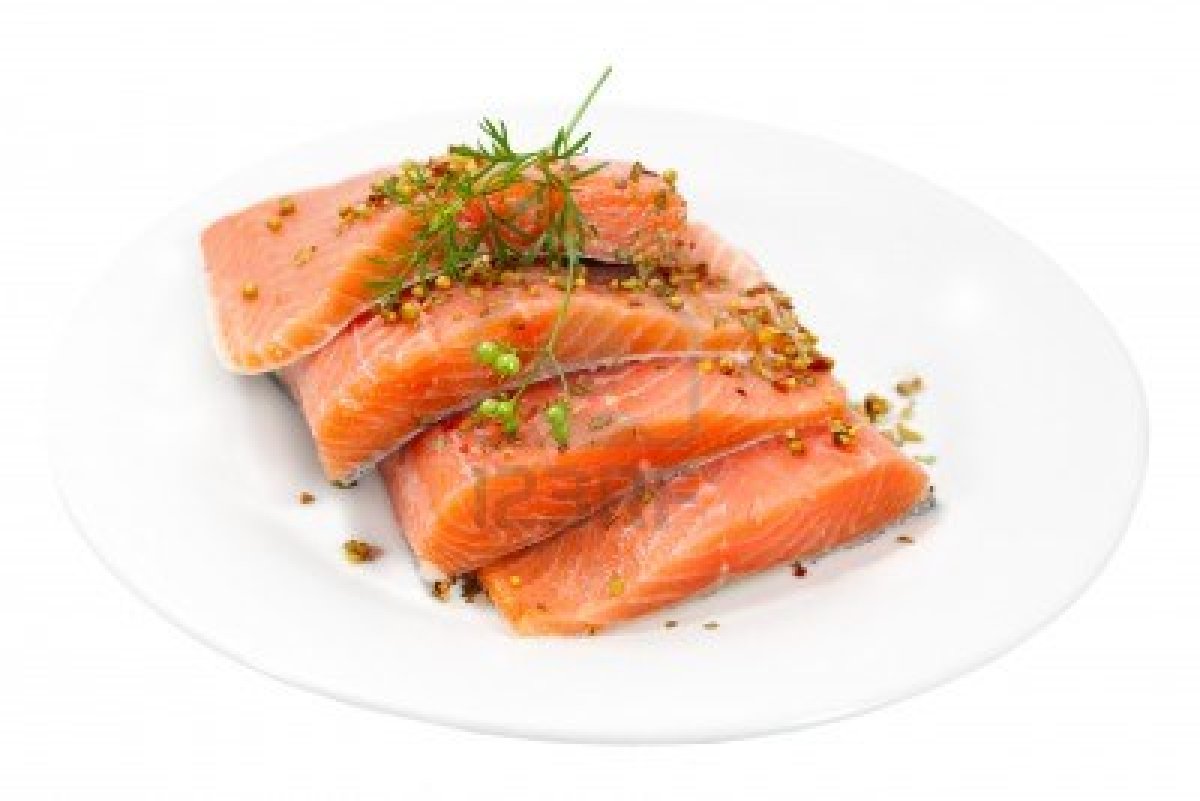 Salmon and other fatty fish such as sardines and mackerel are the superstars of heart-healthy foods. That's because they contain copious amounts of omega-3 fatty acids, shown in studies to lower the risk of arrhythmia (irregular heart beat) and atherosclerosis (plaque build-up in the arteries) and decrease triglycerides. The American Heart Association recommends eating fish and preferably fatty fish at least twice a week. Omega-3 fatty acids are also available as dietary supplements.
2. Oatmeal
 Oatmeal is high in soluble fiber, which can lower cholesterol. "It acts as a sponge in the digestive tract and soaks up the cholesterol so it is eliminated from the body and not absorbed into the bloodstream," says Lauren Graf, a registered dietician and co-director of the Cardiac Wellness Program at Montefiore Medical Center in New York City. Graf recommends avoiding instant oatmeal, which often contains sugar, and heading instead for old-fashioned or even quick-cooking oats. Other whole grains such as bread, pasta and grits are also good for the heart as long as they still contain the entire grain.
3. Chia Seeds
 Chia seeds are a nutrition power house that offer maximum nutritional benefits and minimal calories. Just a spoonful of chia seeds helps reduce bad cholesterol and aids in the reduction of plaque buildup. It also helps lower blood pressure and triglycerides.
Chia seeds can be eaten by the spoonful, blended into smoothies, or stirred into soups. They also make a great salad or yogurt topper.
4. Blueberries
 Blueberries contain a good amount of beta-carotene and lutein (carotenoids), anthocyanin (a flavonoid), ellagic acid (a polyphenol), vitamin C, calcium, magnesium, potassium and fiber. All these healthy nutrientssupport heart health.
People who eat at least one serving of blueberries per week are 10% less likely to develop high blood pressure. You can add fresh or dried blueberries to cereal, pancakes, or yogurt. Cranberries, strawberries and raspberries are also good for heart health.
5. Oranges
 Oranges contain beta-cryptoxanthin, beta- and alpha-carotene, lutein (carotenoids) and flavones (flavonoids), potassium, folate and fiber, all of which are heart healthy nutrients.
Oranges are also an excellent source of vitamin C, a potent protector against strokes by improving blood flow to the heart. This sweet, juicy fruit helps control high blood pressure, improves the functionality of blood vessels and reduces artery inflammation.
You can get these benefits from either eating oranges as a fruit or drinking orange juice. You can enhance the natural sweetness with cinnamon and lime juice.
6. Walnuts
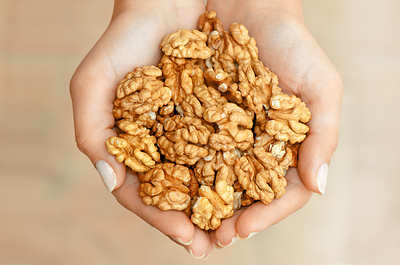
Walnuts contain omega-3 fatty acids, vitamin E, magnesium, folate, fiber and mono- and poly unsaturated fats that promote healthy hearts.
Eating just a small handful of walnuts each day may lower your cholesterol and reduce inflammation in the arteries of the heart. They also reduce the risk of diabetes.
Try to eat unsalted walnuts as a healthy snack between meals to enjoy its health benefits. For variety, walnuts can be added as a flavorful crunch to salads, pastas, cookies, muffins, and pancakes.
Adding these “best of the best” heart-healthy foods to your diet plan will help keep your heart functioning properly for years to come.
7. Purple Sweet Potato

Potatoes have a bad reputation for being high in calories. But white, red, purple, and sweet spuds are rich in potassium, fiber, calcium, and B vitamins like B-6 and folic acid (folate). These can help lower blood pressure and reduce the risk of heart attack and stroke. Cook potatoes with the skin on because it contains the highest amount of nutrients. A December 2013 study in the Journal of Biomedical Science found that quercetin, a flavonoid in potato skin, has anti-inflammatory and antioxidant properties.
Potatoes get their bad rep because of the toppings we tend to load on them, Taub-Dix says: “It’s all about the company you keep.” She advises using Greek yogurt as a topping for your potato instead of butter and sour cream.

0 komentar:
Posting Komentar